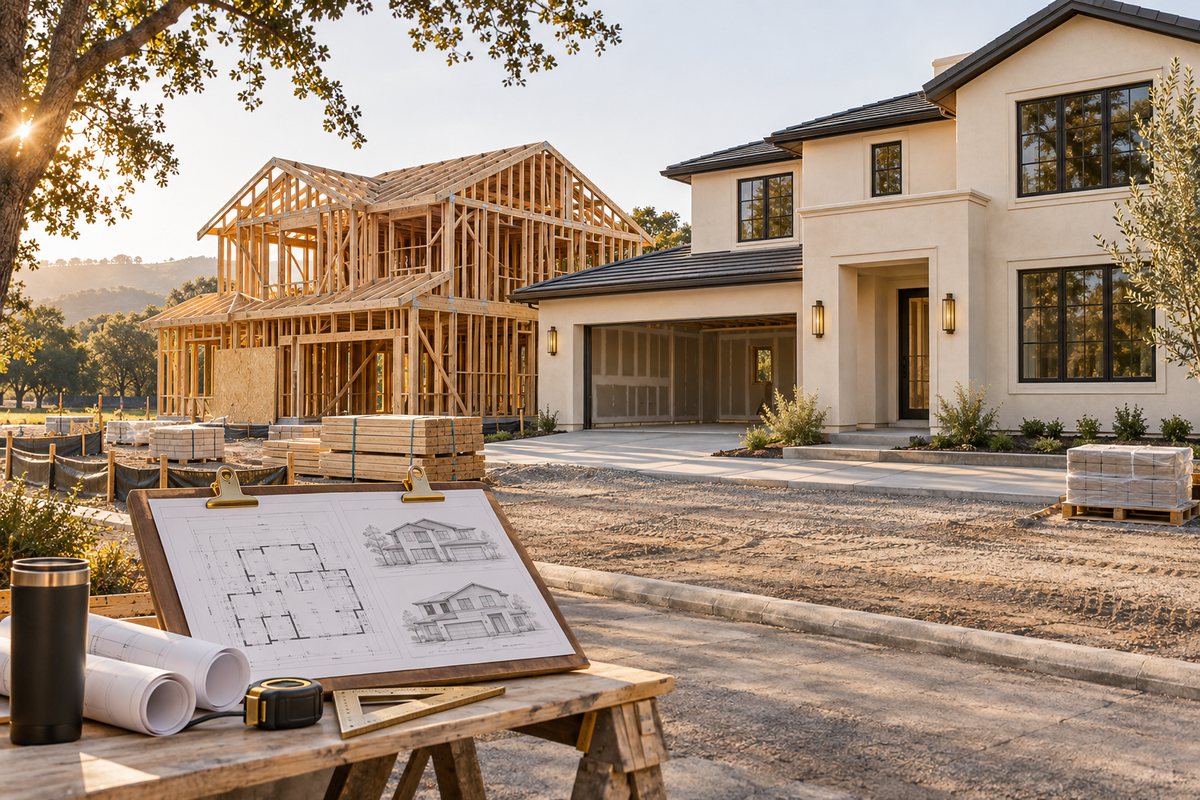
A promising parcel needs a buildable plan
Land value and project readiness are different things. A well-located parcel may have strong potential while still requiring significant work before a lender can finance construction. The investor's first task is to convert an idea into a documented project with a clear path to legal use, physical completion and repayment.
Separate ownership, entitlement, permit and construction readiness. A zoning category may allow a general use without approving the specific building, density, access or parking layout proposed. A conceptual drawing is useful for exploration, but financing and contracting usually require a much more complete description of the work.
Investigate the physical constraints
Confirm legal access, boundary conditions, topography, utilities and drainage. Obtain professional advice on soil, environmental and engineering matters appropriate to the site. A nearby utility line does not establish available capacity or a known connection cost. Off-site improvements, easements and impact fees can change both the budget and the schedule.
Create a constraints map and a written list of unresolved approvals. Ask who can resolve each item, what the answer will cost and when it is expected. Treat an uncertain item as a decision dependency rather than a footnote. This approach helps investors spend diligence money in the order most likely to reveal a project-stopping issue early.
Put readiness into the cash plan
Imagine an acquisition budget assumes $60,000 for site work. A utility requirement adds $25,000 and drainage improvements add $15,000. The resulting $40,000 increase is more than a construction-line adjustment: it may require additional equity, revised loan sizing and a new appraisal assumption. If permits also take longer, carry costs increase before vertical work begins.
These hypothetical changes illustrate why a land purchase should be evaluated with a project budget rather than only a price-per-acre comparison. A more expensive but well-prepared site can sometimes require less total risk capital than a cheaper parcel with major unresolved infrastructure needs. The conclusion depends on documented scope and realistic alternatives.
Ask what the construction lender actually needs
Request the lender's readiness requirements before ordering final reports. Clarify acceptable plans, permits, contractor qualifications, engineering, title coverage and required equity. Identify which conditions are needed for a preliminary discussion, final approval and first funding. A lender expressing interest in the concept is not the same as a commitment to fund an unapproved project.
Use the diligence period to produce a go-or-revise memo: permitted use, key constraints, expected approvals, all-in cost range, equity need and exit. Explain the effect of the largest unresolved item. Strong development begins when the investor can describe what remains unknown and fund the process of resolving it. That clarity supports better purchase terms, a more accurate financing request and a project that can move forward with purpose.
Sequence the diligence spending
Create a staged investigation plan. Start with basic use, access and utility questions that could invalidate the concept. Move to more detailed design and engineering as the fundamental path becomes clearer. The sequence should reflect professional advice and contract deadlines rather than a rigid rule that every site follows.
Record the cost and consequence of each unresolved condition. If a road improvement could add a substantial amount, show a range in the budget and identify when the answer will be available. If that answer arrives after a purchase deadline, discuss the contract implications with the appropriate professional while alternatives remain open.
Ask whether approvals attach to the land, the owner or a specific plan, and whether conditions or expiration dates apply. Obtain the actual documents. A seller's statement that the parcel is ready can mean different things to different participants. A written readiness matrix gives the investor a clear basis for deciding which obligations can be accepted now and which need resolution before additional capital is committed.
Reference desk: readiness has several layers
Legal use, engineering feasibility and financing eligibility are related but separate. A site can have a permitted general use while the specific project still needs design approval. It can be physically buildable while the proposed budget produces insufficient margin. It can have an attractive business plan while failing a particular lender's criteria. Keep these reviews distinct so a positive answer in one category does not substitute for another.
Create a readiness matrix with the requirement, evidence, responsible professional and status. Include access, utilities, drainage, environmental questions, plans, permits and contractor availability as appropriate. The matrix should reflect the actual project rather than a generic list copied from another development.
Review how time affects the land acquisition. Carrying a parcel while obtaining approvals requires taxes, insurance, financing or opportunity cost, and professional spending. If approvals change the plan, redesign may add both cost and delay. Include those possibilities in the capital decision before treating the parcel as a finished construction input.
Some information can be investigated before closing, while other work may require ownership or permissions. Discuss access and contract rights with the appropriate professionals. Avoid commissioning work or entering the property on assumptions about authority. A clear diligence arrangement protects the process and makes spending more purposeful.
The final readiness decision should state what is confirmed, what remains conditional and how the unresolved items are funded. This is a practical basis for a lender discussion and an internal investment decision. It also helps the investor compare parcels fairly, because the apparent discount on one site may simply reflect additional work and risk that another site has already resolved.
Ask the project team to identify the unresolved site condition with the largest potential cash effect and establish when that answer must arrive for the purchase decision.
Sources, further reading and editorial notes
- NCUA: Construction and Development Loans
Construction feasibility, contingencies, monitoring and completion risk.
- OCC: Commercial Real Estate
Commercial lending risk-management background.
- Federal Reserve: Prudent CRE Loan Accommodations and Workouts
Valuation premises and context for income-based commercial analysis.
Prepared November 12, 2026 for the labeled 2026 edition. The sources provide background; worked examples are original, hypothetical and rounded.
Investor education, not an offer or commitment to lend. All deal examples are hypothetical and rounded. Terms, eligibility and availability vary. Obtain appropriate legal, tax, insurance and local professional advice for your circumstances. Editorial illustrations are AI-generated and do not depict listed properties.
KEEP THE COMPLETE ISSUE
From Ground to Growth
All 12 articles, the editorial introduction and the investor workbook in one 29-page PDF.
Download September 2026 PDF