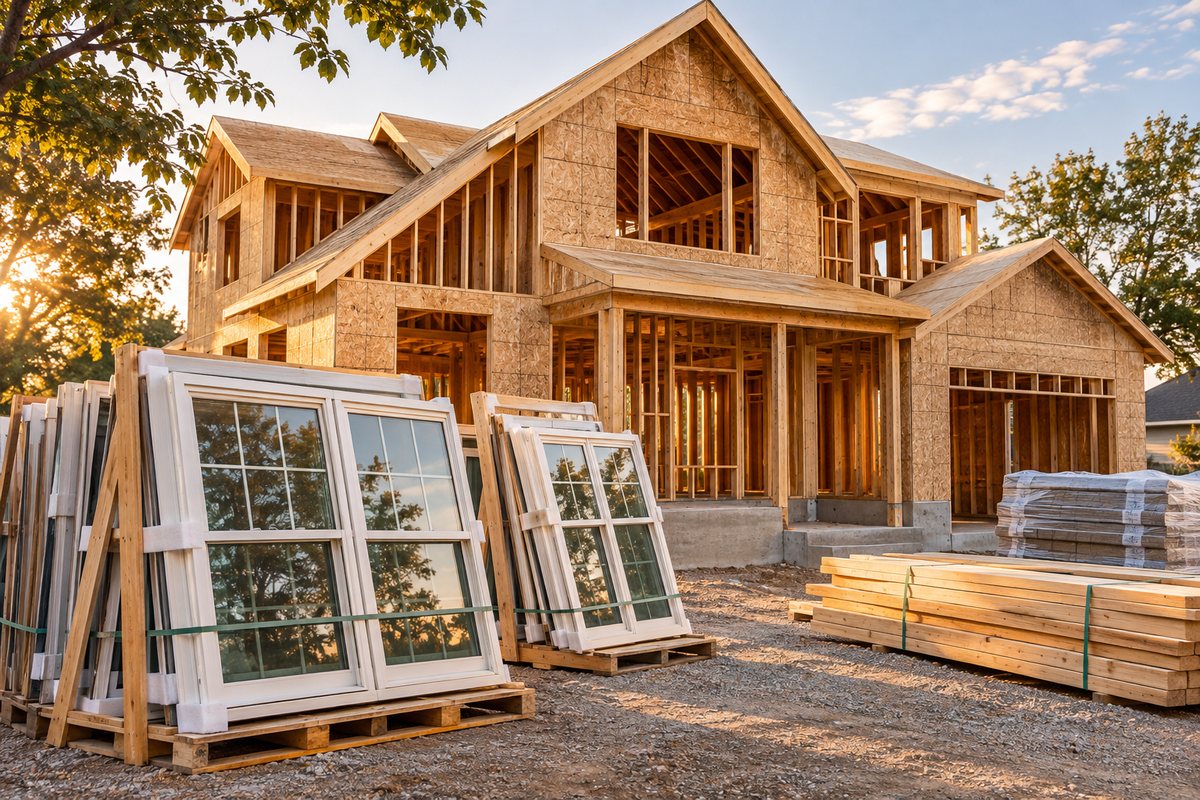
Funding follows a process
A construction loan commitment is a promise to advance funds subject to conditions, not unrestricted cash delivered on day one. Draw procedures determine how approved construction costs become available money. Understanding that sequence is essential to keeping contractors working and the project on schedule.
Ask whether advances reimburse completed work, fund specified milestones or follow another approved method. Confirm required invoices, inspections, lien documentation, approvals and processing time. Rules for deposits, stored materials and retainage can differ. Obtain the written procedure before agreeing to contractor payment terms.
Map the cash gap
Suppose a contractor requires a $30,000 materials payment on the first of the month. The lender reimburses eligible work only after installation and inspection later that month. The investor may need to carry the $30,000 even though it is included in the committed budget. If two phases overlap, temporary exposure can be larger.
This is a timing problem rather than necessarily a project-cost problem. The solution is to align payment milestones, maintain working capital and submit complete draw requests promptly. It is not solved merely by pointing to the total loan commitment. A funded interest reserve also may not be available to pay a materials invoice.
Keep evidence consistent
Use one schedule of values across the contract, budget and draw log whenever possible. Record approved budget, prior draws, current request, retainage and remaining balance for each category. Reconcile the lender's funded amounts to the project's bank activity. A difference should have an explanation rather than waiting until the next draw.
An inspection used to support a lender advance is not a substitute for the owner's quality-control obligations or local code inspections. Its purpose may be limited to verifying progress. Assign responsibility for workmanship, approvals and correction of defects separately so everyone understands what the inspection does and does not establish.
Protect the remaining work
Before each draw, compare undisbursed funds and available equity with the true cost to complete. Include pending change orders and unpaid commitments. An overspent early phase can consume money needed later even if the current request appears reasonable. Escalate the shortfall while corrective options remain available.
Maintain a draw calendar with submission deadlines and expected funding dates. Avoid treating the shortest quoted turnaround as guaranteed when documents or inspections are incomplete. Good draw management is a practical partnership among investor, contractor and lender. Clear records and realistic payment timing help the team maintain momentum while preserving enough cash to finish the building and reach the intended exit.
Design a complete draw packet
Ask for a sample request and the exact supporting records. A typical process may involve invoices, progress information, inspection and lien-related documentation, but the lender's requirements govern. Identify who assembles the packet and who checks it before submission. A missing document can delay an otherwise eligible advance.
Maintain a draw log with request date, requested amount, adjustments, approved amount and receipt date. Use it to estimate actual turnaround rather than relying indefinitely on an initial expectation. If the project routinely needs more working capital between request and receipt, incorporate that pattern into the forecast.
Review final-draw requirements early. Completion evidence, releases, final inspections or other conditions may take time, and some funds may remain held until they are satisfied. Plan the contractor's final payment around the actual procedure. The process is easier to manage when the team understands the last advance as clearly as the first, leaving enough cash to resolve punch-list items and complete the handoff to sale or operations.
Reference desk: reimbursement creates working-capital needs
A reimbursement structure asks the investor or contractor to carry some spending before lender funds arrive. The cost can be eligible and fully budgeted while still requiring temporary cash. Model that interval explicitly. The relevant measure is the largest cumulative gap between required payments and available advances.
Contractor payment terms should be reviewed alongside the draw rules. A materials deposit, mobilization payment or subcontractor milestone may not align with the lender's inspection process. Discuss alternatives early and document the arrangement. Do not promise a payment date solely on the assumption of the fastest possible lender turnaround.
Retainage can protect completion but also affects cash timing. Understand who retains funds, how much is held and what releases it. The lender's retainage and the construction contract's retainage may not be identical. A final reconciliation should explain both.
Maintain good records for changes, invoices and prior advances. Duplicate requests or inconsistent category balances can slow review. A complete, accurate packet benefits the investor because the lender can evaluate it without reconstructing the project's history each time.
As completion approaches, ask for the final-disbursement checklist and plan the remaining work accordingly. Punch-list tasks, final approvals and required documentation can take time after the main construction activity ends. Keep enough cash available for that stage. Draw management is ultimately about turning a committed funding plan into actual cash at the right time while preserving the resources necessary to finish the property.
Walk one upcoming contractor invoice through the actual draw procedure and identify which account funds it while inspection, approval and reimbursement remain in progress that month.
Sources, further reading and editorial notes
- NCUA: Construction and Development Loans
Construction feasibility, contingencies, monitoring and completion risk.
- OCC: Commercial Real Estate
Commercial lending risk-management background.
- Federal Reserve: Prudent CRE Loan Accommodations and Workouts
Valuation premises and context for income-based commercial analysis.
Prepared November 12, 2026 for the labeled 2026 edition. The sources provide background; worked examples are original, hypothetical and rounded.
Investor education, not an offer or commitment to lend. All deal examples are hypothetical and rounded. Terms, eligibility and availability vary. Obtain appropriate legal, tax, insurance and local professional advice for your circumstances. Editorial illustrations are AI-generated and do not depict listed properties.
KEEP THE COMPLETE ISSUE
From Ground to Growth
All 12 articles, the editorial introduction and the investor workbook in one 29-page PDF.
Download September 2026 PDF