
Who it is for
Investors acquiring, refinancing or accessing equity in an eligible existing self-storage facility. The flyer identifies thirty-year fixed or five-year ARM options, with property and borrower review required for the proposed structure.
Ideal properties and transactions
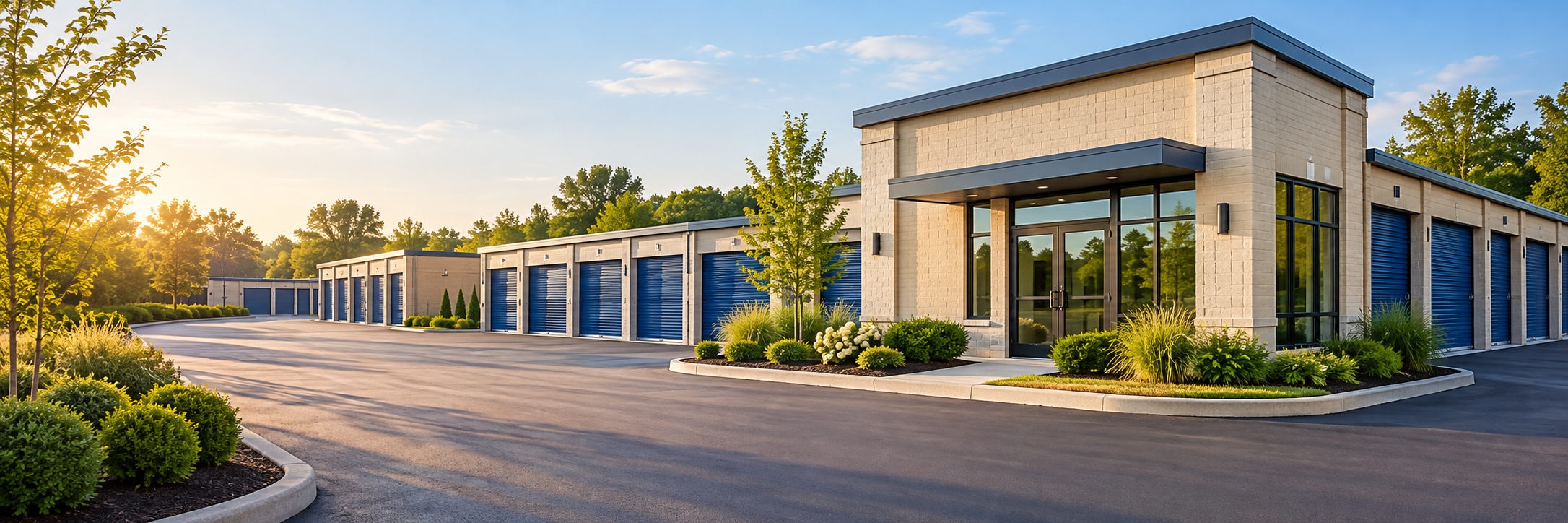
An existing storage property with supportable operations and a clear investment plan. Identify rentable unit counts and sizes, climate-controlled space, occupancy, management and any ancillary income. Expansion or new construction should be disclosed rather than treated as part of a stabilized-property loan.
Credit, experience and liquidity
Loan capacity is project-based and leverage property-based in the source. Credit is reviewed and cash flow supports qualification. No universal numeric loan limit, LTV, minimum score or coverage threshold is published for this program. Explain sponsor and management experience, other obligations and cash available after closing. Separate transaction funds, required reserves and your own operating cushion. Ask which verification requirements apply to the selected route.
Leverage and valuation framework
Separate accepted cost, as-is value and any prospective value supported by the approved structure. LTV compares debt with the lender’s accepted value; LTC uses eligible transaction or project costs. Purchase, refinance and cash-out can have different limits. Account for existing liens, closing costs, holdbacks and reserves before estimating usable proceeds. Ask which constraint governs and how property use, condition and cash flow affect the final advance. Headline capacity is not a cash-to-close calculation. Request a sources-and-uses worksheet that separates the closing advance, any future funding and funds retained for reserves. For a refinance, distinguish the gross loan amount from cash remaining after payoffs and all transaction expenses.
Income and operating review
Reconcile physical occupancy with collected revenue, discounts, delinquency and move-outs. Include payroll or management, utilities, maintenance, insurance and taxes. Ask which ancillary income and expense assumptions are accepted rather than presenting full scheduled rent as achieved net income.
Program structure and execution
Compare fixed and ARM terms, payment after adjustment, amortization, maturity, prepayment and guarantees. Review access control, security systems, roof and paving needs and any environmental concerns. Confirm which property conditions must be resolved before funding.
Property and location considerations
Confirm the legal property use, zoning, access, occupancy and insurance suitability. Identify tenant or operator concentration, deferred maintenance, major systems and any environmental or specialized-use concerns before ordering reports. The relevant property and operating approvals must be checked independently. Ask which conditions must be resolved before funding and verify state availability. A property’s marketing category alone does not establish an eligible loan purpose or approved collateral. Identify who is responsible for maintenance, repairs and compliance under each lease or operating agreement. A tenant or operator obligation should still be reviewed for its practical effect on the collateral and the owner’s cash needs.
Holding period, exits and stress tests
Set a holding period and compare the proposed loan with any planned sale, refinance or change in ownership. Model weaker income, a vacancy or operating disruption, higher expenses and an unexpected repair. Include financing and transaction costs when estimating the final outcome. Ask about maturity, prepayment, adjustment or extension provisions and guarantees. Future refinancing depends on then-current operations, condition, valuation and available lending terms, and is not guaranteed. If repayment depends on another lender, identify the performance and property conditions that takeout requires. Keep a contingency plan for additional holding time rather than treating a projected sale or refinance date as committed cash.
Documentation to prepare
Provide a storage unit and occupancy schedule, collections and operating records requested for review, management arrangements, property-condition information and purchase or payoff documents. Separate any planned expansion from the existing facility. Add ownership/entity records and the property, title and insurance information specified in the approved checklist. Provide sensitive identity and financial records through Karpata’s secure process rather than in a public quote request. Explain unusual conditions and identify documents still pending.
Limitations and questions to resolve
All terms require borrower, credit, property and program approval and may not apply together. Confirm pricing, fees, reserves, guarantees, permitted use of proceeds and funding conditions in writing. Program descriptions and document alternatives are starting points for review rather than loan commitments. Educational preparation questions do not add undisclosed lender policy. This is eligible business-purpose real estate financing, not a consumer home mortgage. Final approved documents govern the transaction.
Based on the supplied individual Karpata program flyer. Published flyer screens are identified in the guide; current terms require confirmation. Property images are AI-generated and illustrative.